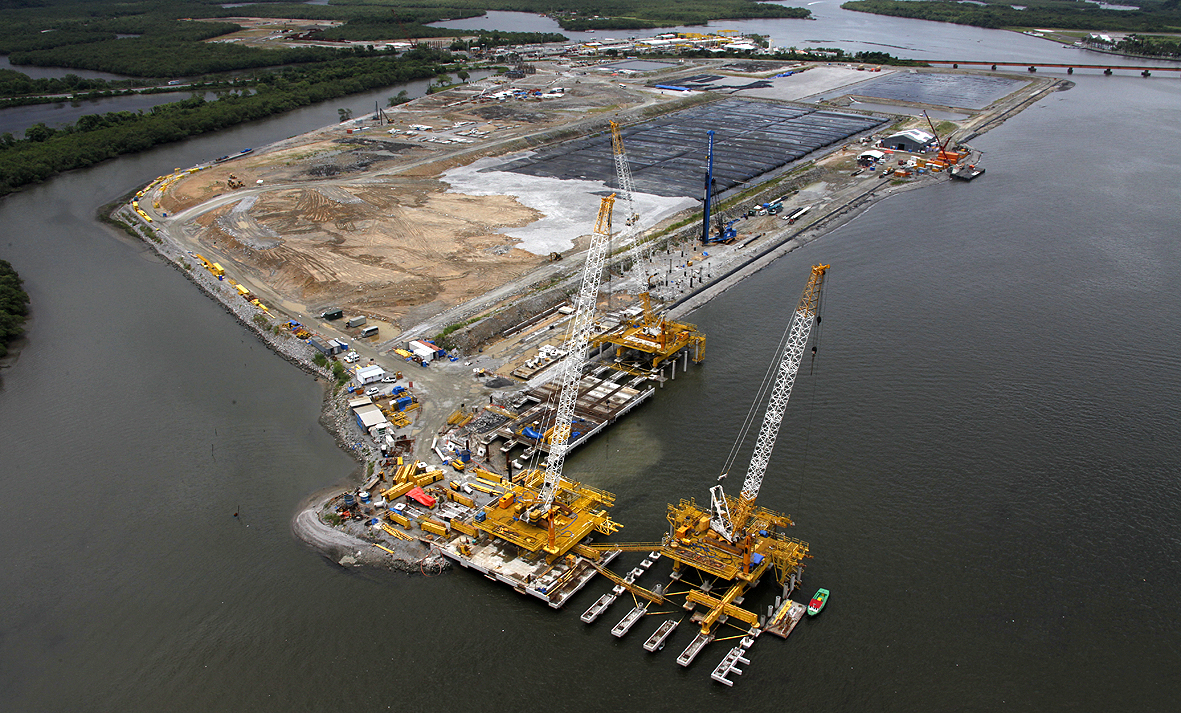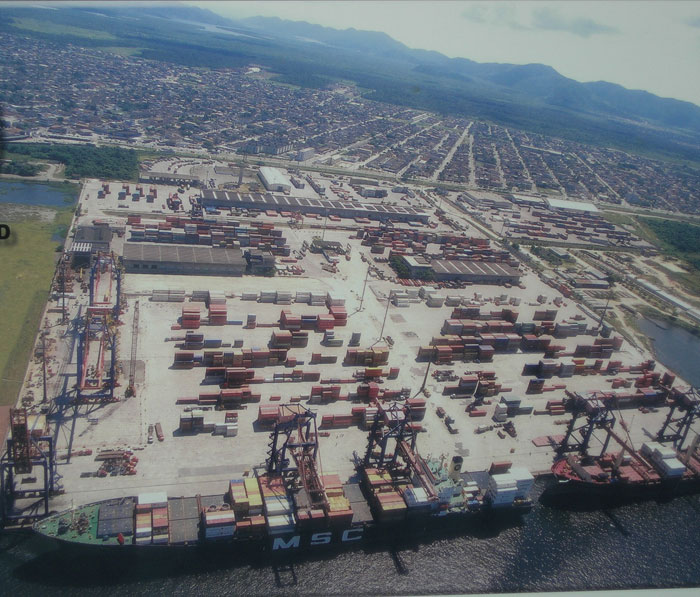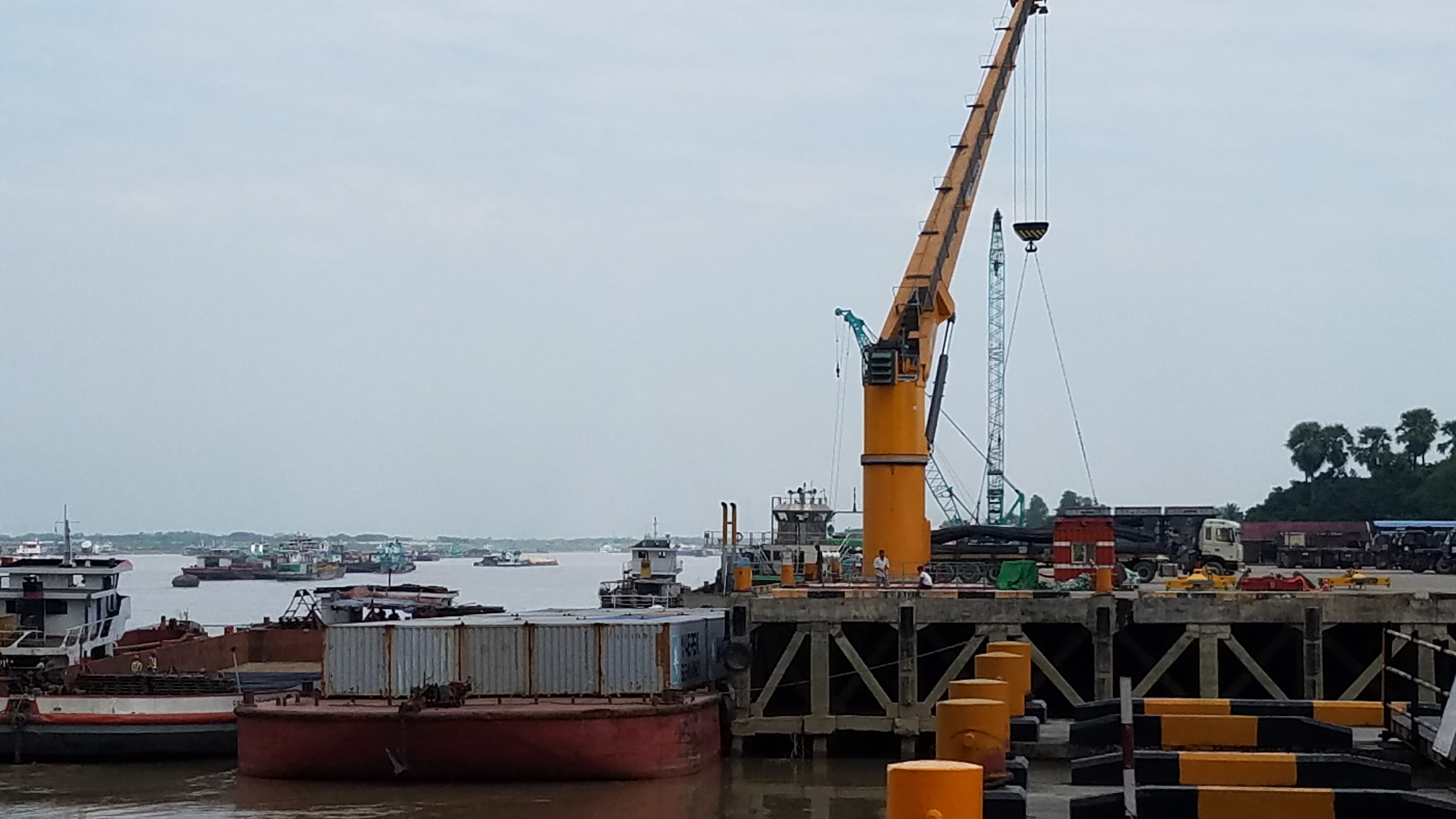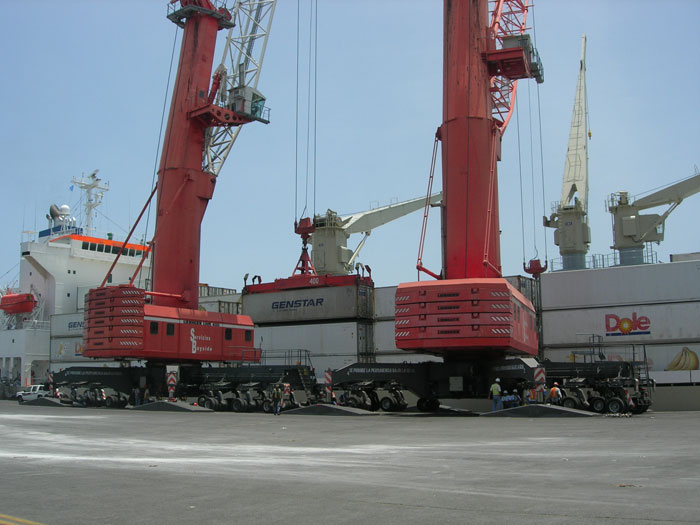






Santos Brazil (SB) is the main competitor of Embraport, the new container terminal concieved by us in our studies (2005 - 2009). In this picture, taken during the first Embraport study, SB is in still the midst of a major expansion plan, which included the replacement of the Reachstacker-based yard system with RTG-based, the construction of a new berth and installation of 6 new, post-Panamax STSs.


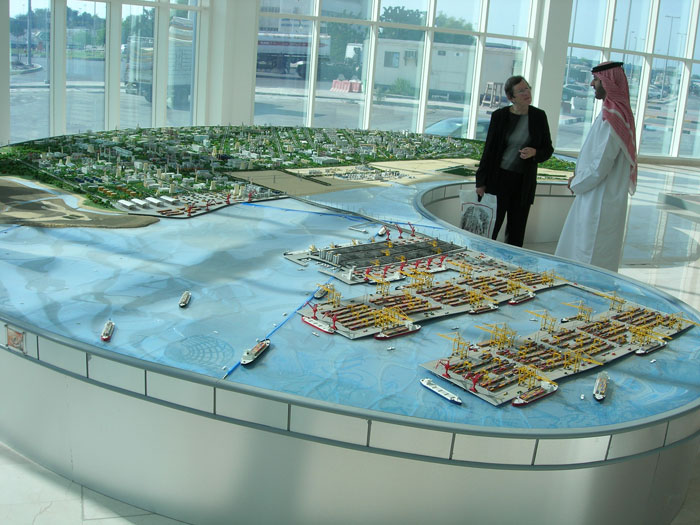
Our legislative reform study for Abu Dhabi port system (2007) was designed to facilitate the development of a large new port complex in Mina Chalifa. The picture shows a model of the proposed complex. As seen in the picture, it consists of a marine section with a container and bulk piers and an upland section for port-related industries. the marine section requires a massive reclamation.


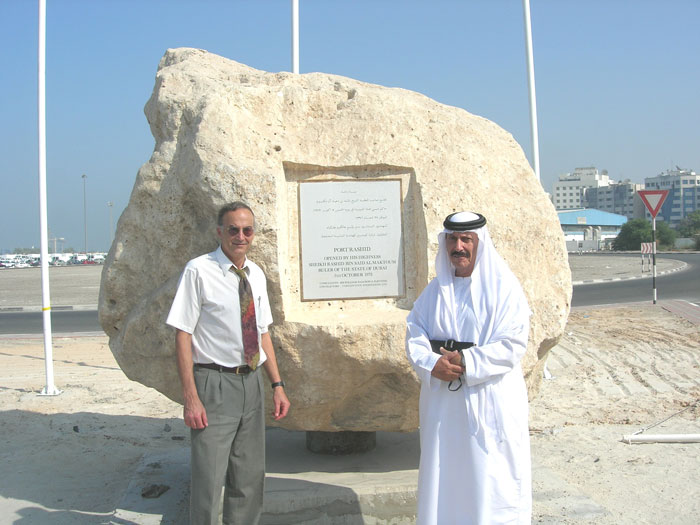
As part of our legislative reform study for the Abud Dhabi port system (2007), we visited Port Rashid, Dubai. The picture is taken at the entrance to the port, near the historical rock, showing Capt. Diwani and Asaf Ashar.


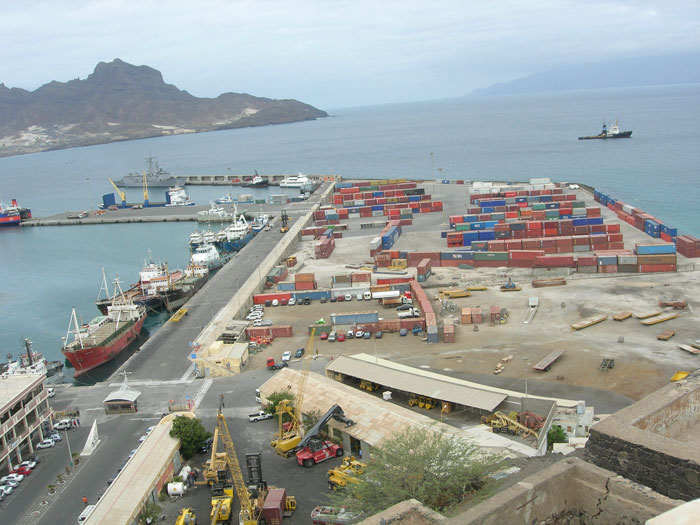
During our port reform study of Cape Verde (2007), we visited all Cape Verde ports. examined their facilities and expansion plans and met with local shipping lines and shippers. The picture shows Porto Grande's main pier and the container yard behind.


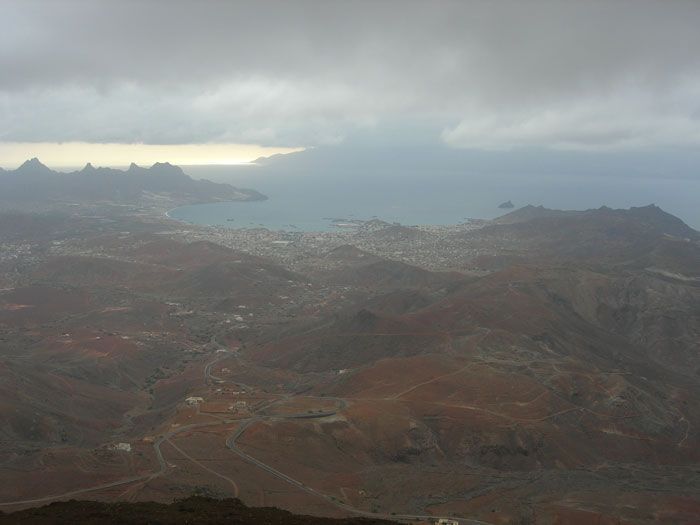
A view of Port Praia, Cape Verde, and the port city from the mountain top.


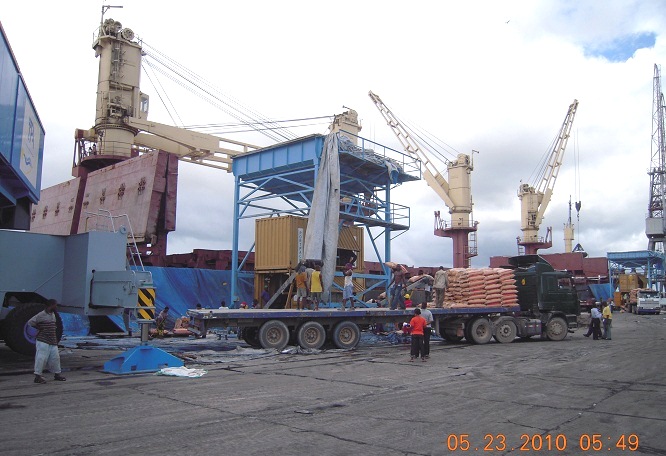
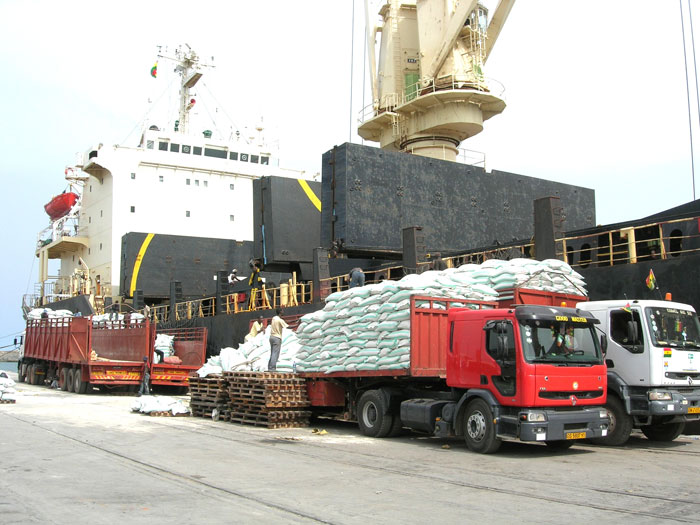
As part of the masterplan study of Ghana's Ports (2007), we examined existing facilities and operating systems of its two main ports, Tema and Takoradi. The picture shows the common system of handling bagged rice imports in Takoradi. The slings are handled by ship's gear from hatches onto a platform built from stevedore pallets. From there, individual bags are moved manually and stacked on trucks.

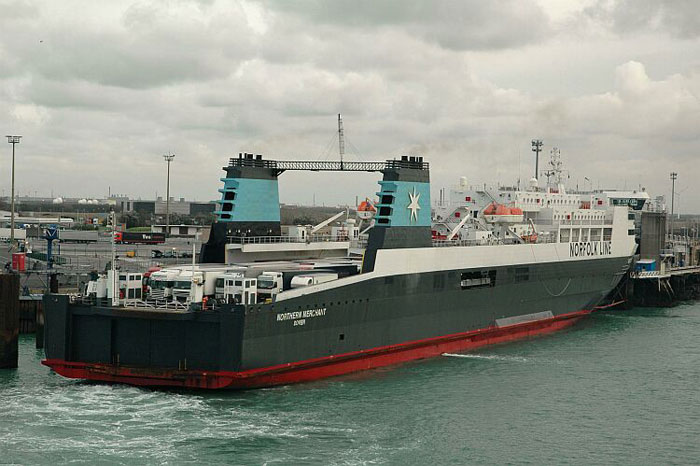
An important task of our study of the Pan American Highway Ferry (2006) was an assessment ofa wide range of possible ship configurations, from modern RoPaxes to conventional car ferries, similar to that shown in this picture.


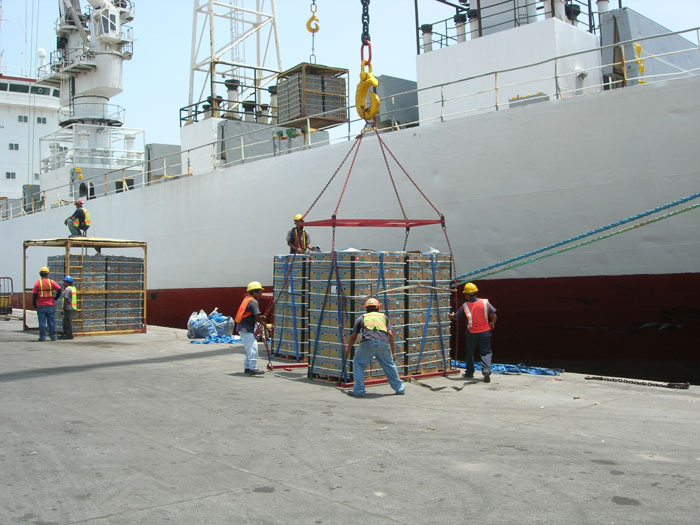
Our strategic masterplan for Puerto Quetzal, Guatemala (2008) was focused on containers. The forecast underlying the plan assumed, among other, further conversion of breakbulk and bulk cargoes to containers. Banana exports, Quetzal main cargo, was still partially handled by refrigerated ships. The picture shows a typcial handling of palletized banana exports, using a "robot", or a special cage for 4 pallets.


We proposed that the new container terminal proposed for Puerto Quetzal will be mainly based on modern STSs (gantry cranes). Presently, Quetzal handles all its containers using MHCs (Mobile Harbor Cranes), with up to four of them handling the same ship.


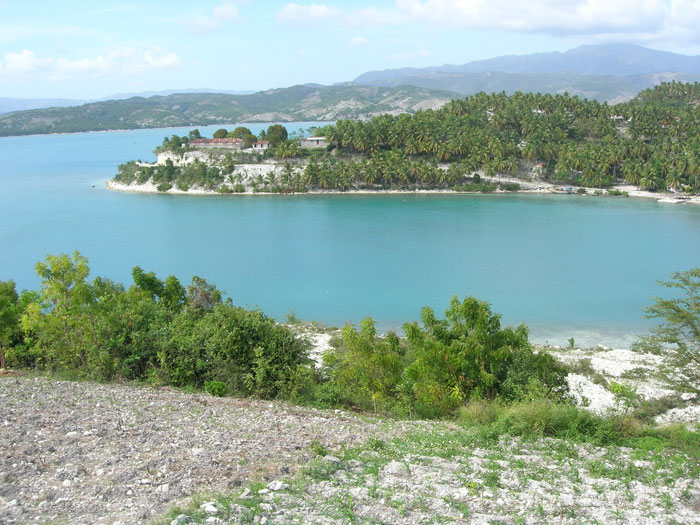
Our study of the feasibility of a transshipment hub in Port St. Louis, Haiti (2008) involved a long field trip and on-site examination of the proposed site, shown in the picture. This site is located at a natural deep-water harbor with calm water that does not require protection (breakwater) and only minimal dredging.


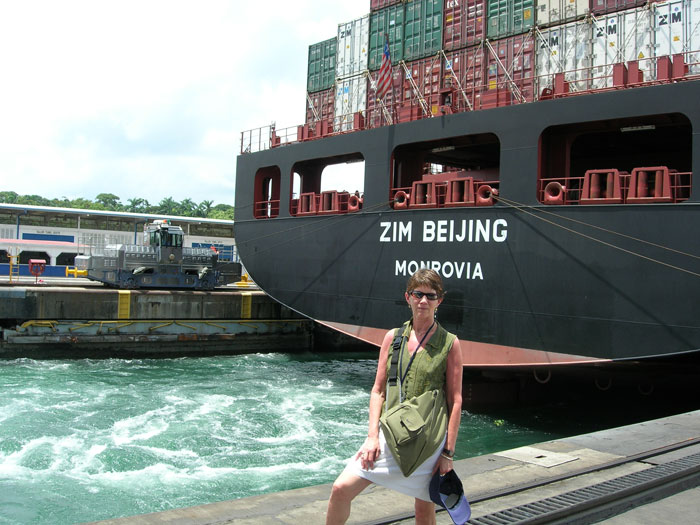
During our study of Panama Port Law (2006) we met with all the major Panamanian terminals and with the Canal Authority, including field trips to these terminals and the Canal. The picture shows Hanna Ashar (Asaf's wife) at the first lock.


Our strategic master plan study for the Port of Morgan City, Louisiana, USA (2007) targeted a wide range of non-containerized cargoes related to the off-shore supply industry. In parallel we also assessed the potential to renew short-sea container services to Mexico and the Caribbeans, taking advantage of the shore-based container crane.


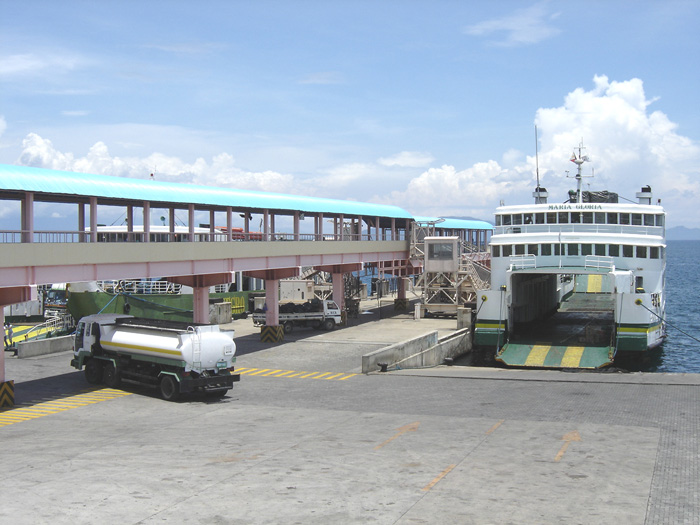
Our study of inter-island shipping in the Philippines (2006) was focused on small Ro/Ro ships and specialized terminals, serving a mixture of walk-on passengers, cars, small trucks and loose cargo. The picture shows a modern Ro/Ro terminal in Batanga, Philippines


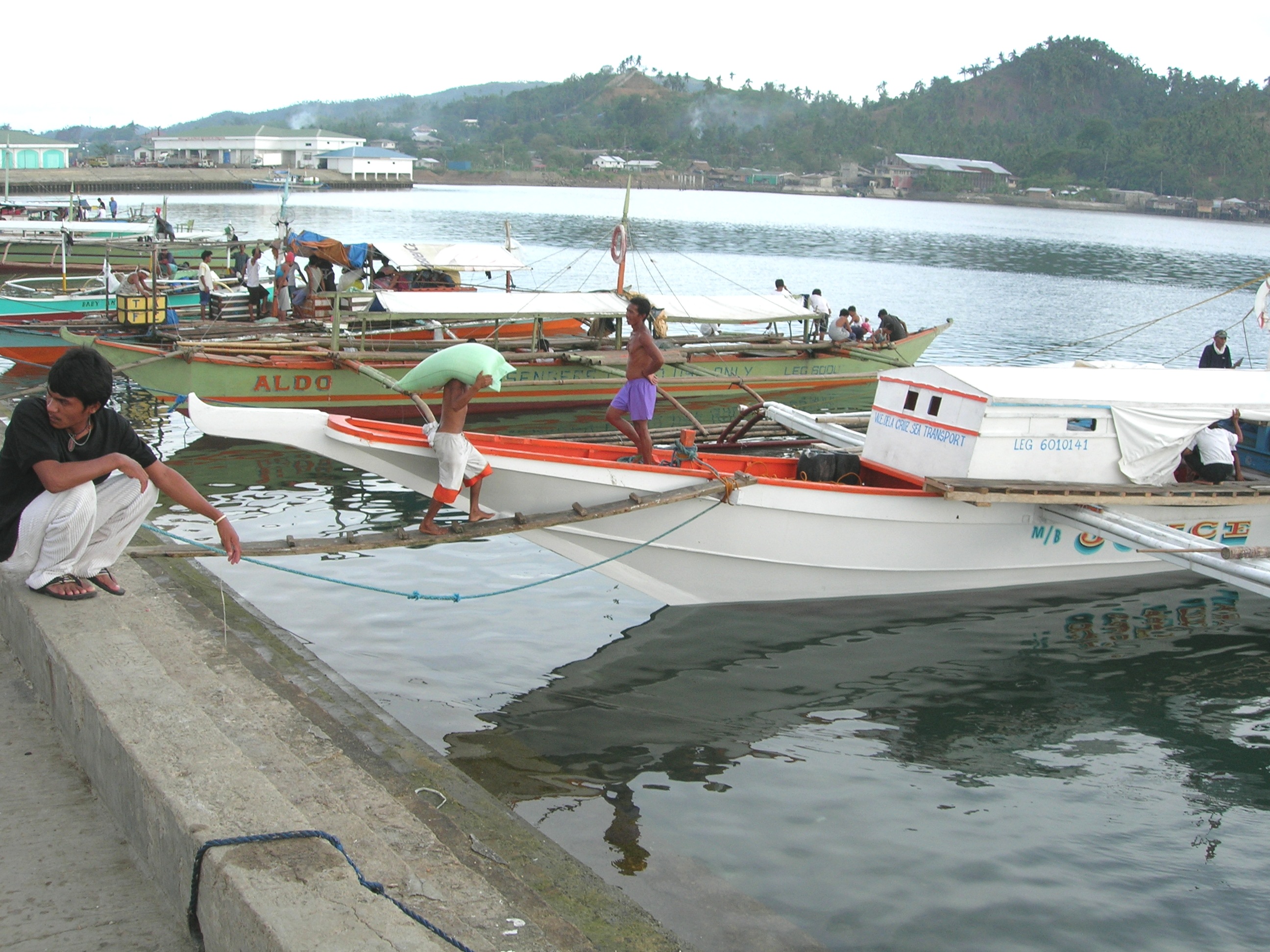
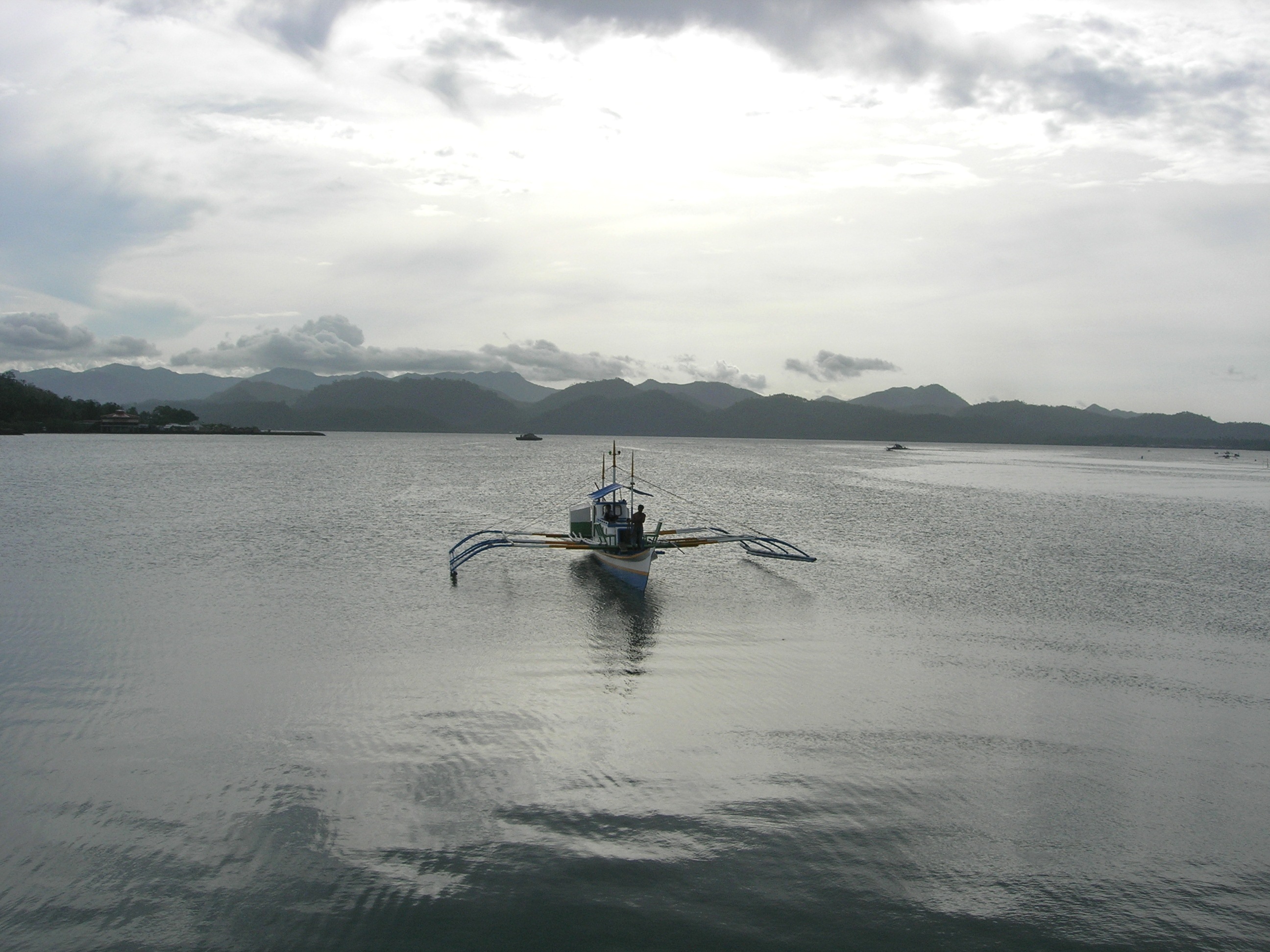
Unlike the modern ships serving Batanga (above), the smaller Phillipine islands are served by traditional wooden boats, with out-board mottor. The loading of passengers is by foot, using a narrow gangway. Cargo handling, mainly bags with dry goods, is by the "head" system... The picture is taken in Port Pillar, The Philippines, during our study (2006).


Inter-Island Shipping, Philippines


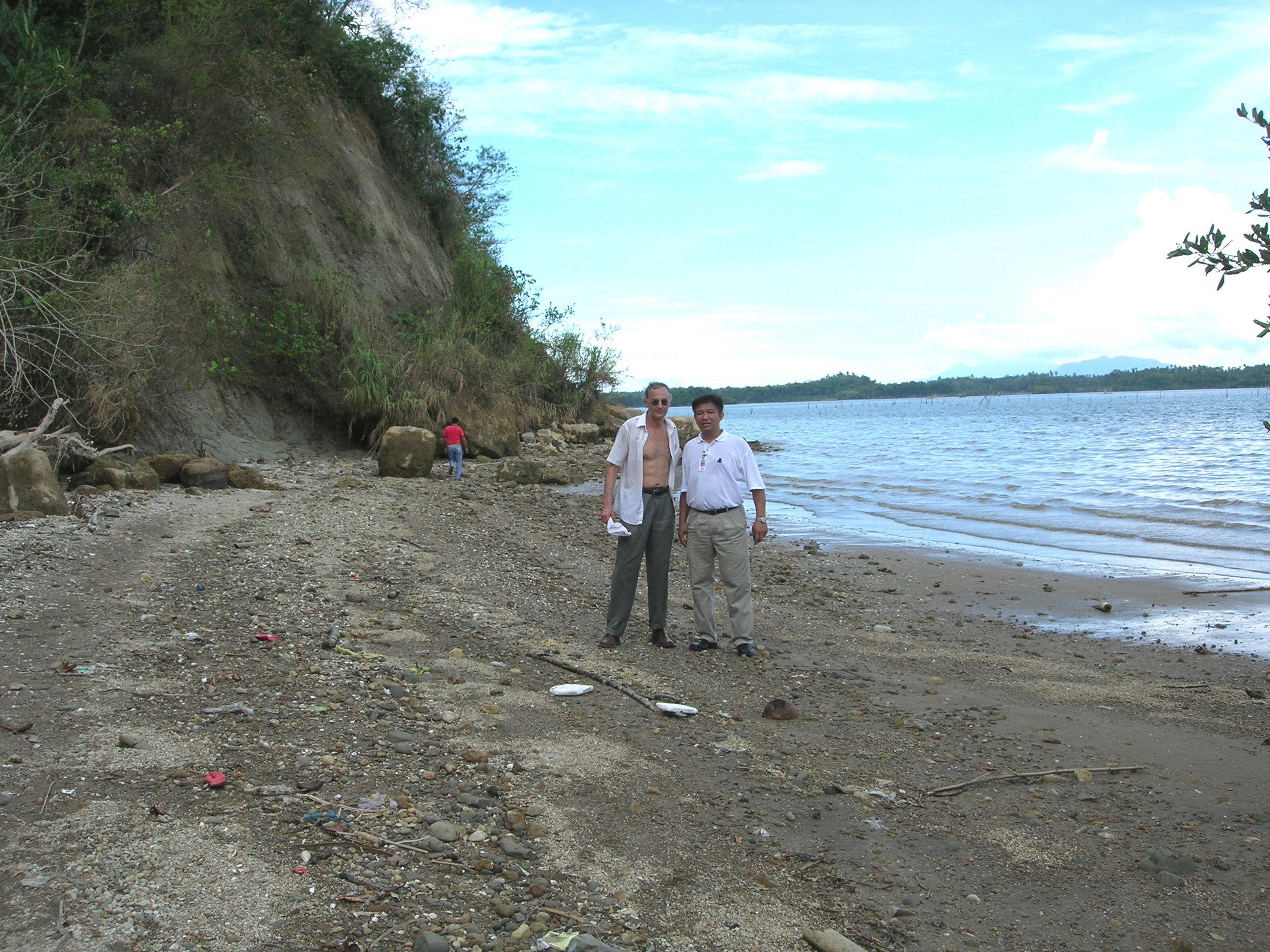
Our study of the inter-island shipping in the Philippines (2006) also included a design of a model Ro/Ro terminal in Port Pilar. Becaus of draft limitation, we assessed several potential sites for relocating this port. The pictures shows A. Ashar with a representitive of an investment bank at one of these sites.


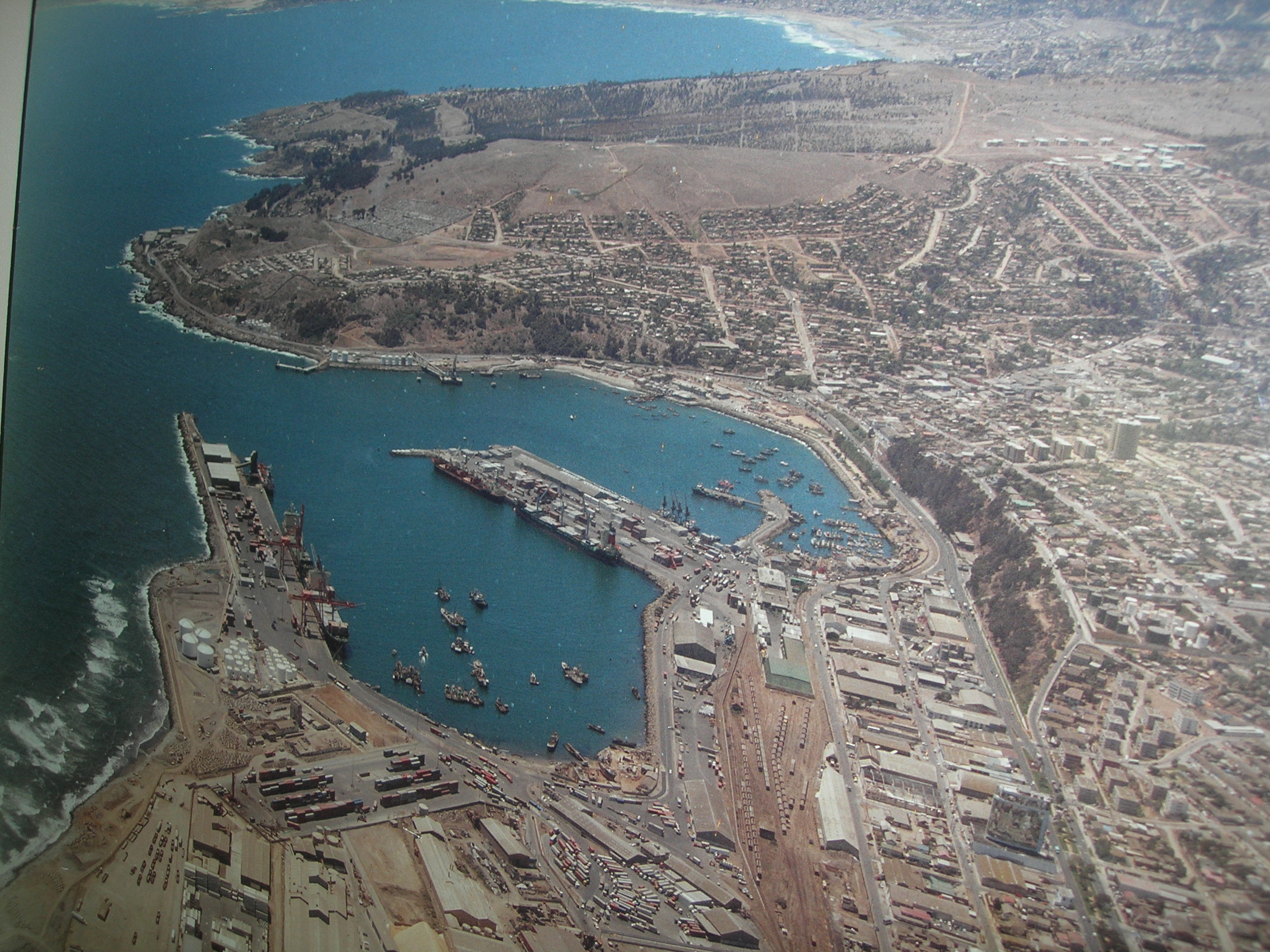
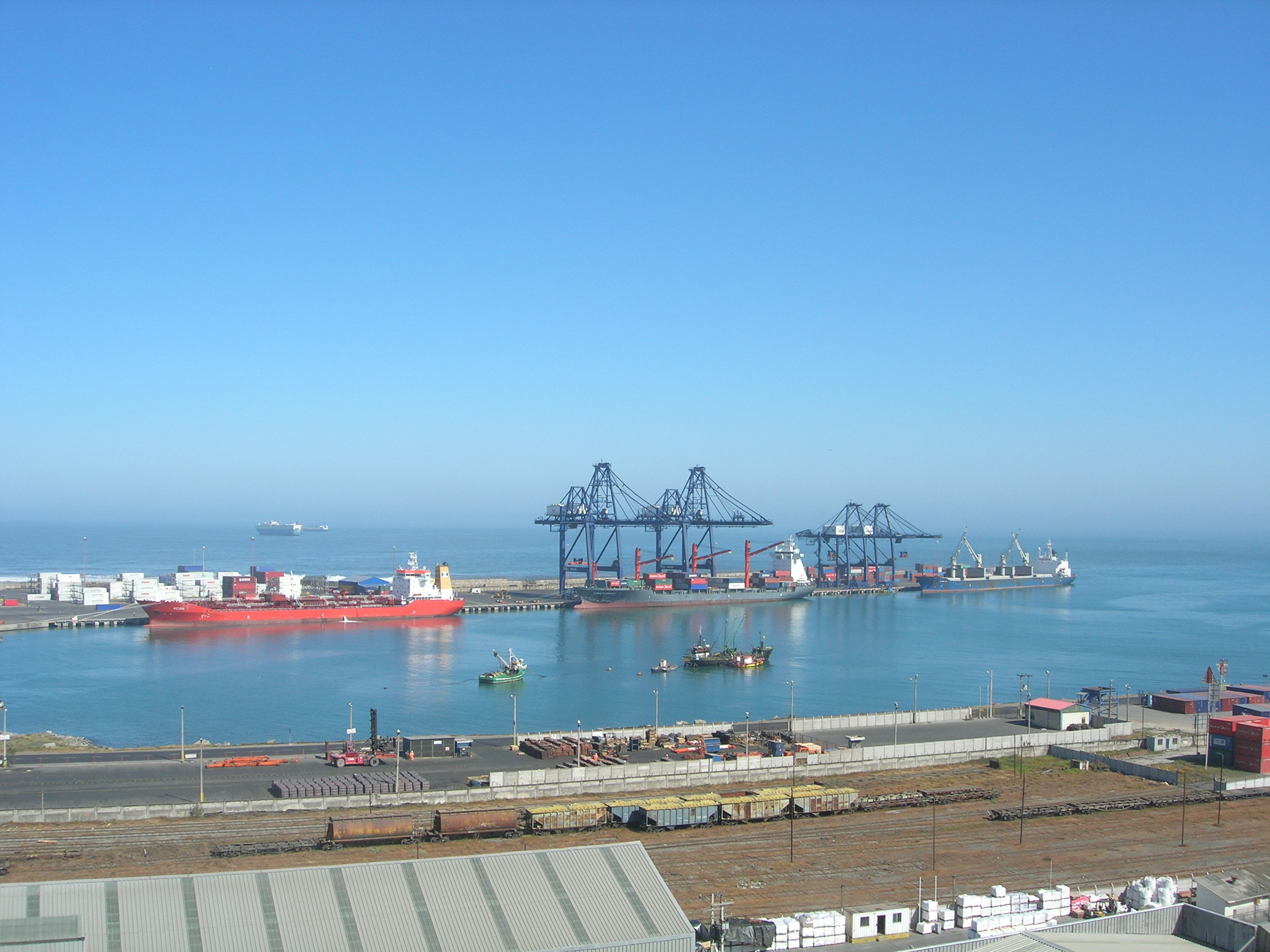
Our study of the development plans for the Central Chilean ports (2009) involved reviewing of the two main ports San Antonio and Valparaiso. The picture shows San Antonio Harbor, with the container terminal on the left. As seen above, the waterfront land is already fully ustilized. The proposed development included construction of a new outer harbor, located to the left of the existing container terminal, ande connected to it (see Images).

San Antonio Container Terminal, Chile. Two new post-Panamax were recently added, bringing the total number to 6.

A night view of the container terminal at the Port of Buenventura, Colombia. Note the box hanging below the gantry crane.

This terminal is the main competitor of the TCBuen, whose feasibility was assessed in a due dilligence study.

Pile construction in TECBuen, Buenavetura. The metal sleeve, used as a mold, is pulled out and construction of the cap begins.

The congesion in Lagos, Nigeria can be seen by the block stowage in Tincan Container Terminal. Also noted is

the waiting line of trucks in the service road. Mitigating congestion is the main objective of our study.

Cumbersome Customs procedures contribute to Lagos congestion. Automated scanning, as seen in Apapa, could expedite the process.

Bangladesh River Freighters are mainly with wooden hull and carrying capacity of 800 - 1,200 DWT.


Dr. Asaf Ashar

National Ports and Waterways Institute
Washington DC Office
University of New Orleans
Phone: 240-242-3676

Qualifications
Experience
Conferences
Publications
Images
Photos
Interview